(612) 509-9000
If you’ve spent a few winters here in Minnesota, you know the weather can be unpredictable, beautiful one day and brutal the next. Snow melts under a warm sun, only to freeze again overnight. That constant cycle of freezing and thawing might seem harmless, but over time, it can quietly eat away at your roof’s durability and shorten your shingle lifespan.
At Keystone Roofing and Restoration, we see firsthand how these seasonal shifts impact Twin Cities roofs every year. The good news? With proactive care and proper installation, your shingles can stand strong through every freeze–thaw cycle Minnesota throws their way.
Key Takeaways
- Minnesota’s freeze–thaw cycles cause premature wear that can shorten the lifespan of a shingle roof.
- Proper attic ventilation and insulation protect your roof by keeping temperatures consistent.
- Annual inspections from Keystone Roofing and Restoration help identify early warning signs before they lead to major repairs.
Your roof doesn’t just keep out snow; it protects your home, family, and peace of mind. Here’s what you need to know to help it last.
How Freeze–Thaw Cycles Impact Shingle Roof Lifespan
In the Twin Cities, the daily temperature swings between melting and freezing can do serious damage over time. When heat from your home escapes through the attic, it warms the roof deck just enough to melt snow sitting on your shingles. As that water refreezes overnight, it expands, putting pressure on every nail, seam, and shingle.
This process repeats hundreds of times each winter, leading to:
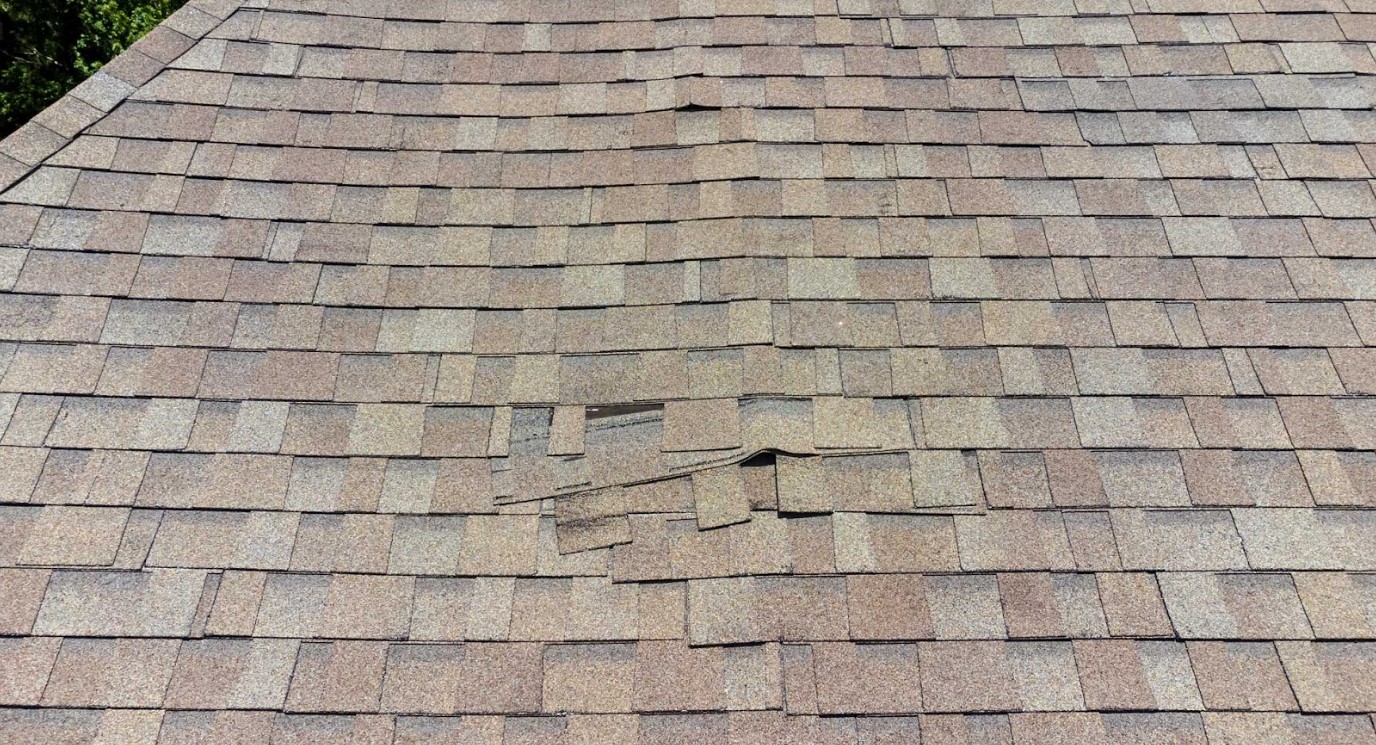
- Cracked or curled shingles: Expansion and contraction cause stress fractures in the material.
- Granule loss: The protective coating on shingles wears away, exposing the asphalt beneath to the sun and moisture.
- Leaky flashing and seams: Ice expansion opens small gaps where water can sneak in.
Even the most durable roofs in Minnesota experience this natural wear. While the average shingle roof lifespan across the U.S. might be 25–30 years, local weather often reduces that to closer to 15–20, especially if the roof isn’t properly ventilated or maintained.
What Determines Shingle Lifespan in Minnesota
Your roof’s longevity depends on more than just the product you choose; it’s a combination of materials, installation quality, and regular maintenance.
1. Roofing Materials
Not all shingles perform the same in Minnesota’s climate.
- Asphalt shingles lifespan: 15–25 years on average. They’re affordable but more vulnerable to cracking and curling.
- Architectural shingles lifespan: 25–30+ years. Thicker, layered, and more resistant to cold-weather stress.
- Impact-resistant shingles: Premium options built to endure hail and repeated freeze–thaw cycles, often lasting 30 years or more.
Choosing the right material upfront is key to avoiding early roof replacement down the road.
2. Attic Ventilation and Insulation
A well-balanced attic keeps your roof cooler and prevents snow from melting unevenly. When ventilation or insulation is lacking, heat rises into the attic and accelerates melting, leading to more frequent freeze–thaw cycles and faster wear.
3. Installation Quality
A roof is only as strong as its installation. Certified contractors like Keystone Roofing and Restoration follow manufacturer specifications and local Minnesota building codes to guarantee every layer, from underlayment to flashing, is properly sealed against moisture and movement.
4. Routine Maintenance
Small issues left unchecked quickly become costly repairs. Annual roof inspections, gutter cleaning, and timely repairs are the simplest ways to extend the lifespan of a shingle roof and protect your investment year-round.
Asphalt vs. Architectural: Which Shingles Handle Minnesota Winters Better?
Asphalt Shingles
Asphalt shingles are popular for their cost-effectiveness and classic curb appeal. But under Minnesota’s conditions, their flexibility can become a weakness. The constant expansion and contraction caused by freeze–thaw cycles lead to granule loss, curling edges, and cracking over time, reducing the lifespan of asphalt shingles by several years if not maintained.
Architectural Shingles
Architectural shingles are thicker, stronger, and better suited for cold climates. Their layered structure helps them resist cracking and shifting, which is why architectural shingles’ lifespans often outlast standard shingles by a decade or more. They also handle heavy snow loads and hail impact better, two essentials for Minnesota homeowners.
At Keystone, we install both options and help you choose the material that matches your budget, style, and long-term goals.
How to Extend the Lifespan of Your Shingle Roof
There’s no way to stop Minnesota’s weather, but you can outsmart it with smart maintenance and proper care.
Schedule Regular Roof Inspections
Have your roof inspected at least once a year, ideally before and after winter. Keystone’s detailed roof assessments catch small problems early and include honest recommendations that fit your home and budget.
Upgrade Insulation and Ventilation
Balanced airflow and sufficient attic insulation reduce heat loss, keeping roof temperatures consistent and limiting the impact of freeze–thaw cycles.
Install Ice and Water Barriers
We recommend installing high-quality underlayments at the eaves and valleys to guard against water intrusion from ice dams.
Clear Snow and Debris Safely
Avoid using sharp tools or salt, which can damage shingles. Hire professionals for snow removal to prevent stress on your roof or personal injury.
Choose Durable Roofing Materials
If your roof is due for replacement, invest in a product designed for Minnesota’s climate. A higher upfront cost often pays off in decades of reliability and fewer repairs.
Signs the Freeze–Thaw Cycle Has Damaged Your Roof
If you notice any of these warning signs, schedule a free estimate right away:
Curling or cracked shingles along the roof edges
- Granule buildup in your gutters
- Rusted or detached flashing
- Water stains on ceilings or in your attic
- Large icicles or recurring ice dams
Catching these issues early can save thousands in future repairs and extend your roof’s life by years.
FAQs About Shingle Lifespan in Minnesota
What’s the average shingle lifespan in Minnesota?
The typical shingle lifespan here ranges from 15–25 years for standard asphalt shingles and 25–30+ years for architectural shingles, depending on care and conditions.
How do freeze–thaw cycles affect shingles?
Repeated freezing and thawing cause shingles to expand and contract, leading to cracks, granule loss, and leaks that shorten the shingle roof’s lifespan.
Can I extend my asphalt shingles lifespan?
Yes, with consistent maintenance, proper ventilation, and high-quality ice barriers, you can increase the asphalt shingles lifespan and avoid early replacement.
Are architectural shingles better for Minnesota?
Absolutely. The architectural shingles’ lifespan is longer, and their construction offers better durability against Minnesota’s heavy snow, hail, and temperature swings.
When should I replace my roof?
If your roof is approaching 20 years old or showing signs of repeated damage, it’s time to have a trusted professional inspect it for safety and performance.
Protect Your Roof, And Your Peace of Mind
Minnesota’s winters can be unpredictable, but your roof shouldn’t be. The shingle lifespan depends on quality materials, professional installation, and regular care, all things that Keystone Roofing and Restoration delivers with pride.
From preventive inspections to full replacements, we’re the local team Twin Cities homeowners trust to protect their homes through every season. With GAF and Owens Corning certifications, 50-year product warranties, and 10-year workmanship guarantees, your roof is in expert hands.
Schedule your free roof estimate today and let Keystone Roofing and Restoration help you build a roof that’s truly built to last, no matter how many times Minnesota freezes and thaws.